
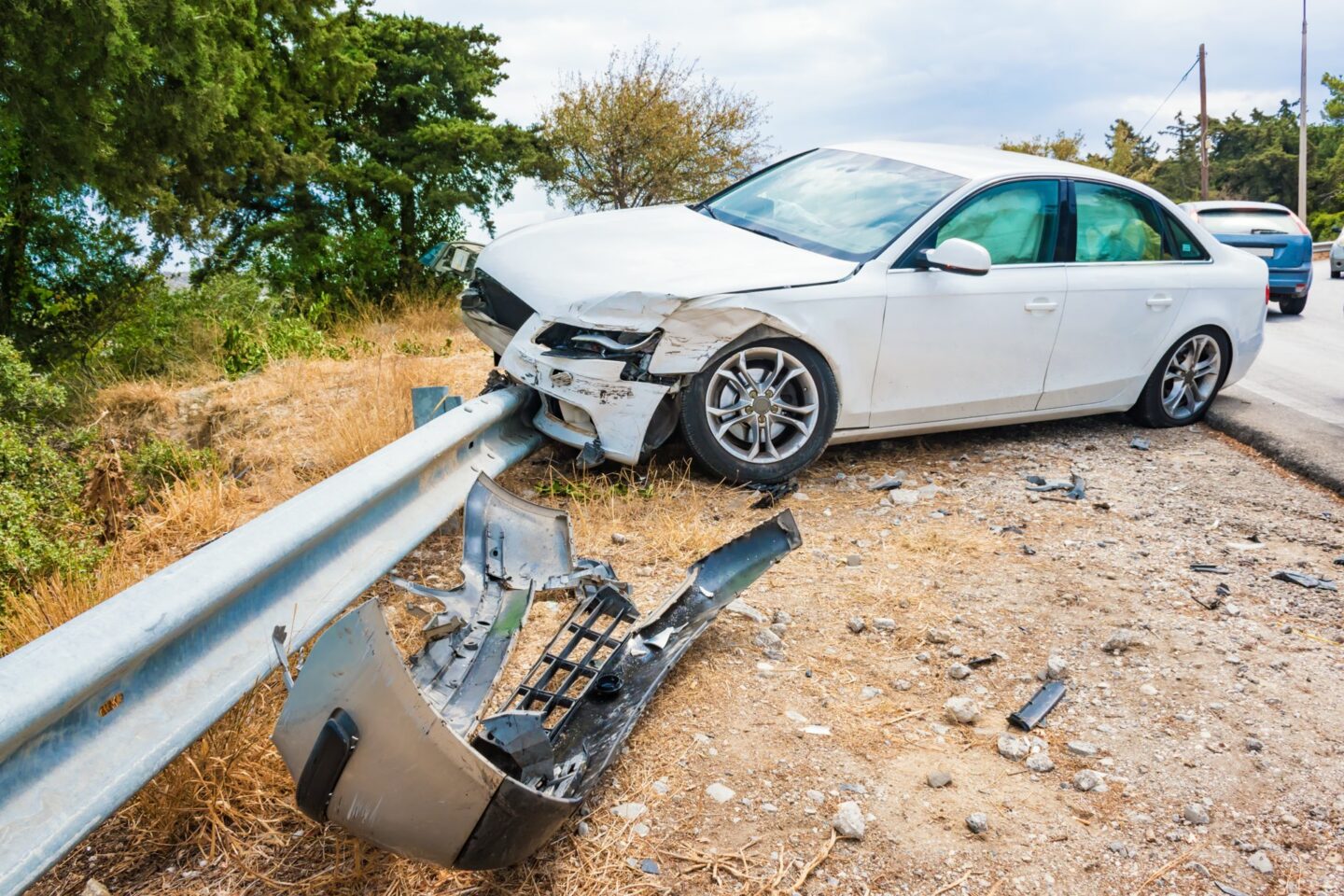
The aftermath of a car accident can be chaotic and confusing. As you assess yourself and others for any injuries that may require immediate medical attention, you and the other driver are likely trying to figure out what happened. No one wants to claim responsibility for causing a collision, especially if the incident led to extensive property damage and serious injuries. The best step you can take at the scene of an auto accident is to refrain from making any statements or apologies that could be interpreted as admissions of fault. Proving fault after a car accident in Washington state is a nuanced process, which usually involves insurance adjusters, police reports, witness statements, and other types of evidence. The accounts of all parties involved will also play a role in determining fault. In some cases, the other driver may give an account of the incident at the scene of the accident and then change key details when they call the insurance company. Changing statements can affect insurance claims and personal injury lawsuits in many ways, slowing down the timeline considerably and making it more difficult for you to receive the compensation you need to start paying down the medical bills, lost wages, and other expenses stemming from the accident.
If you are hoping to learn more about how to file a personal injury claim after a car accident in Washington state, enlisting the guidance and support of a highly experienced and knowledgeable Seattle auto accident attorney is the best way for you to fully explore and understand your legal rights and options. Let’s take a look at the steps you can take if the other driver changed their story after an accident so that you can protect your rights and maximize your chances of securing the compensation you need to support the costs of your recovery.
Why Drivers Change Their Stories After an Accident
There are many reasons why someone may provide conflicting or inconsistent accounts of an auto accident. They may worry that their initial account makes them sound wholly responsible for the incident, so they may change the story to avoid being found at fault. In other instances, the other driver may face pressure from insurance companies to provide an account that aligns with a specific narrative. Car accidents can also be stressful and traumatic, which may affect someone’s ability to recall the event clearly and accurately, leading to inconsistent details or contradictory accounts. Regardless of why someone may change their story after an auto accident, it’s important to understand what you can do to protect your rights and build a successful auto accident claim to recover the compensation you need to help cover the costs associated with your recovery.
How Insurance Companies Handle Conflicting Accounts of Car Accidents in Washington State
Washington state’s comparative negligence system recognizes that more than one party can be held liable for an accident. Even if you share some responsibility for an auto accident, you can still recover a proportional amount of compensation. For instance, if liability determinations find you 20 percent at-fault for a car accident, you are entitled to recover 80 percent of the compensation awarded. The process of how to prove liability in a car accident relies on a number of factors, and insurance companies may use any of the following to guide these determinations:
- Reviewing police reports
- Interviewing witnesses and bystanders
- Examining damage to vehicles or property
- Using photos, videos, surveillance footage from nearby businesses, and electronic evidence
It’s worth noting that insurers typically do not automatically accept either driver’s version of the accident, as these accounts are often skewed to avoid liability and may not present an honest or accurate picture of the incident. Instead, other types of evidence are used to create a more objective account of the events leading up to and during the incident. Dashcam footage, videos from traffic cameras, eyewitness testimony, photographs from the scene of the accident, vehicle damage patterns, cell phone records, and accident reconstruction expert accounts can all help to compile a clearer picture of the circumstances surrounding the event.
What To Do If the Other Driver Lies About the Accident
It can be frustrating to hear how the other driver is twisting their story about what happened leading up to the accident. However, it’s essential that you avoid arguing with them about their contradictory account and contact your insurance company right away. Preserve as much evidence as you can so that you can start to lay the foundation for a strong auto accident claim. If the other driver is denying that the accident caused any serious injuries, be sure to seek medical treatment for even seemingly minor injuries so that the medical records can establish the nature and severity of the harm you suffered. Before you give any recorded statements, it’s best to speak with an experienced and dedicated Seattle car accident lawyer who can help to ensure your legal rights remain protected.
FAQs About Disputes Over a Car Accident Claim in Washington
Can I still recover compensation if the other driver lies about the accident?
Yes. Clear evidence and witness testimony can help to establish what actually happened.
Does the police report determine who is at fault for the accident?
Police reports play important roles, but insurance companies and courts consider many different types of evidence.
Should I give a recorded statement to the other driver’s insurance company?
It is generally recommended that you understand your rights before giving any recorded statements, especially when liability is disputed.
Get Started With A Trusted Seattle Personal Injury Law Firm Today
If you need help exploring your legal options after suffering an auto accident injury in Washington state, the highly qualified and dedicated team of personal injury attorneys at Scott & Scott, PLLC, is here to assist you. We believe in treating every client we serve with the attention, care, and respect they deserve during this challenging time in their lives. Please reach out to our Seattle office today by calling (206) 622-2200 to get started.