
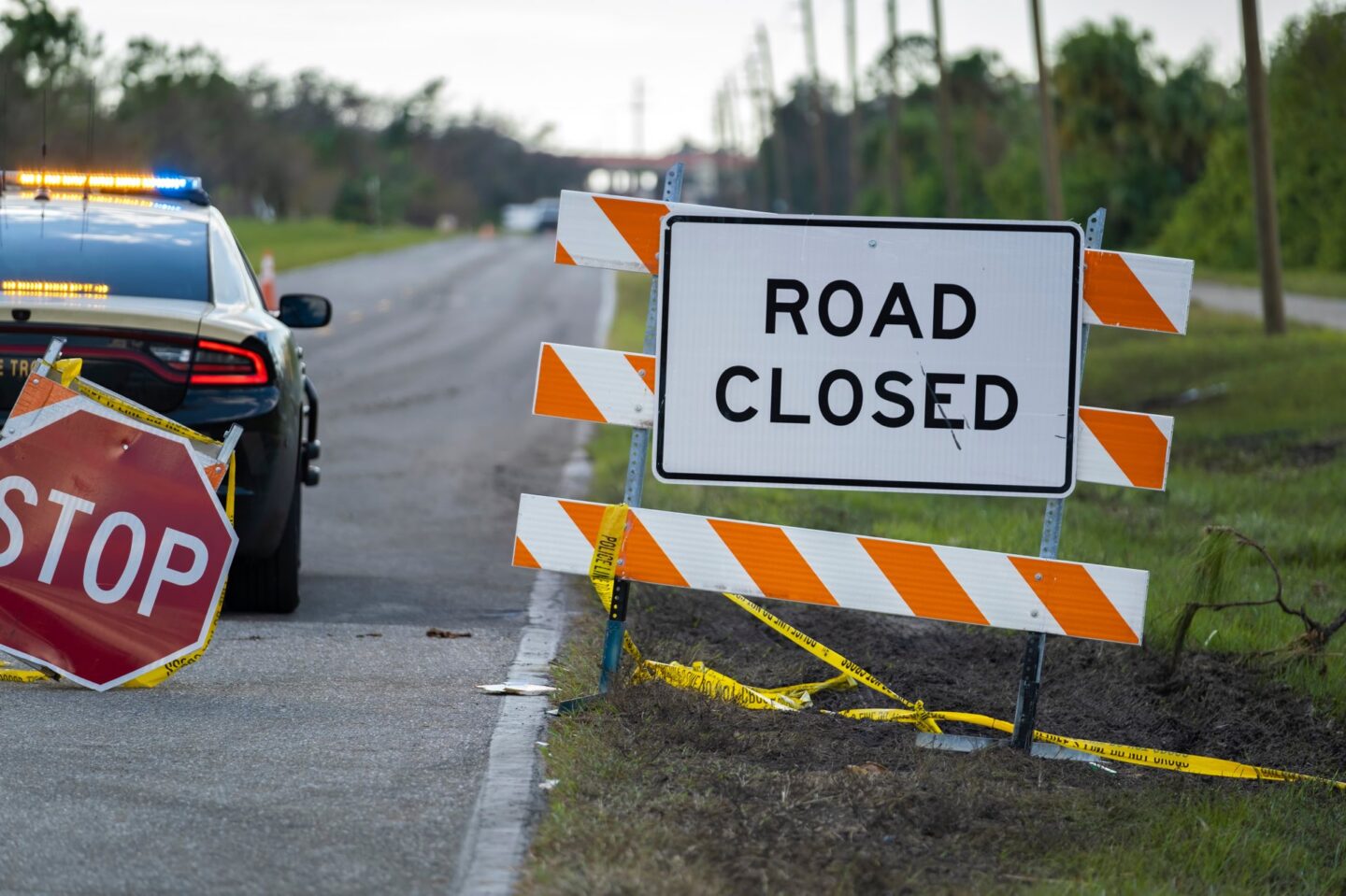
By late spring in Seattle, the city starts to shift.
Orange cones appear overnight. Familiar lanes disappear. Detours reroute traffic through neighborhoods that were not built for heavy volume. Sidewalks narrow. Bike lanes move temporarily. Delivery drivers, commuters, tourists, construction crews, pedestrians, and cyclists all end up trying to navigate the same crowded spaces at once.
Most people expect construction to be inconvenient. What they do not always expect is how quickly changing traffic patterns can lead to crashes and injuries.
In many cases, these incidents happen in ordinary moments. A driver brakes suddenly where lanes merge. A cyclist gets pushed closer to traffic because a bike lane disappears without much warning. A pedestrian crosses where construction fencing blocks visibility. Someone turns onto a street they drive every day and suddenly finds the road functioning completely differently.
Afterward, the insurance and legal questions can become more complicated than people expected.
Why Summer Construction Season Changes Driving Conditions in Seattle
Seattle summers tend to compress a lot of road work into a relatively short period of time. Cities and contractors take advantage of drier weather, longer daylight hours, and increased project access.
That means drivers often encounter:
- Sudden lane shifts
- Narrower travel lanes
- Temporary traffic signals
- Uneven pavement
- Construction vehicles entering traffic
- Detours through residential streets
- Reduced visibility around barriers or fencing
- Pedestrian reroutes
- Temporary bike lane changes
The difficult part is that people are often relying on muscle memory while driving. You expect the road to work the same way it did last week. When traffic patterns change quickly, reaction time matters.
This is especially true along busy Seattle corridors, including areas near I 5 access points, Aurora Avenue, downtown Seattle, Ballard, Capitol Hill, and rapidly developing neighborhoods where construction projects overlap with heavy pedestrian traffic.
Construction Zones Can Increase More Than Just Car Crashes
When people think about construction zone accidents, they often picture vehicle collisions. But these areas can affect many different types of injury situations.
Pedestrian Injuries
Sidewalk closures, blocked sight lines, temporary crossings, and construction fencing can make walking routes less predictable. In crowded areas, pedestrians may end up closer to moving traffic than usual.
Bicycle and Scooter Collisions
Seattle cyclists frequently deal with temporary lane reroutes or sudden merges into vehicle traffic during road work projects. Even small changes in road surface conditions can create problems for bikes and scooters.
Rear End Collisions
Heavy stop and go traffic near construction projects often increases rear end crash risks, especially when traffic suddenly slows near lane merges or detours.
Trip and Fall Injuries
Construction can create uneven walking surfaces, loose materials, exposed cords, temporary ramps, or poorly marked hazards. In some situations, a property owner, contractor, or another party may be responsible for maintaining safer conditions.
Why These Claims Sometimes Become More Complicated
A construction related injury claim may involve more moving parts than a typical crash or fall.
Depending on the situation, questions may include:
- Was the construction zone properly marked?
- Were warning signs visible?
- Did a contractor create a dangerous condition?
- Was the road design temporarily altered?
- Were traffic controls functioning correctly?
- Did multiple vehicles contribute to the crash?
- Was a government entity involved?
- Is there camera footage from nearby businesses or traffic systems?
In some cases, evidence can also disappear quickly. Temporary traffic setups may change within days. Construction signage may move. Witnesses may be difficult to locate later.
That does not mean every construction zone injury leads to a legal claim. But it does mean these situations can become more fact specific than people initially realize.
What Often Helps After an Injury Near a Construction Zone
People are often trying to manage medical appointments, missed work, transportation problems, insurance calls, and physical recovery all at the same time after an injury.
While every situation is different, some practical steps may help preserve information early:
- Take photos of the area if possible
- Document traffic signs, barriers, lane shifts, or road conditions
- Save information about nearby businesses or witnesses
- Keep track of medical treatment and symptoms
- Write down what you remember while it is still fresh
- Pay attention to changes in symptoms over the following days
In many cases, injuries and complications become clearer after the initial shock wears off.
If symptoms continue or worsen, it may be important to follow up with a medical provider. If the insurance or claim process starts feeling confusing or unusually complicated, it may also be worth getting legal guidance about your specific situation.
Construction Zones Are Temporary, but Injuries Often Are Not
One difficult part of these situations is that the construction itself eventually disappears.
The cones come down. The lanes reopen. The detour signs vanish.
But for injured people, the disruption may continue much longer through medical treatment, insurance paperwork, missed work, financial stress, or ongoing pain.
Good information cannot undo what happened. But understanding why these claims sometimes become more complicated can help people make more informed decisions about what comes next.
FAQs
Are construction zone accidents handled differently in Washington?
Sometimes. Construction related injury claims can involve additional questions about contractors, road conditions, signage, traffic control, or government involvement. The facts matter.
What if road construction contributed to my crash?
In some situations, road conditions, lane changes, visibility issues, or construction activity may become part of the investigation. Liability can depend on many factors.
Can I still have a claim if I was partly at fault?
Washington law may allow recovery in some situations even if more than one party contributed to what happened. How that applies depends on the specific facts and evidence.