
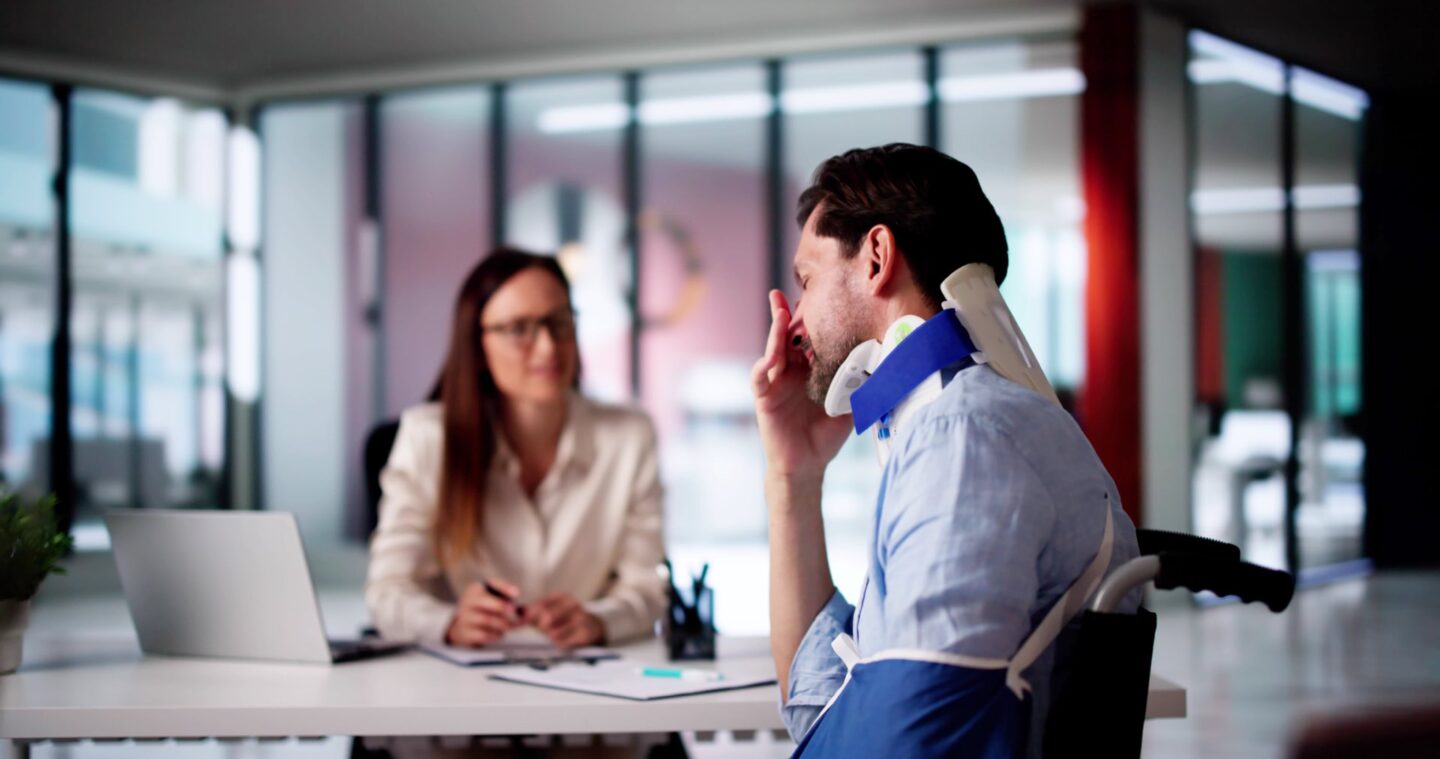
As cautious as we may try to be when driving along Seattle’s roads or commuting by bike or foot, accidents can still happen. One moment, you are on your way to work—the next thing you know, you find yourself in the middle of a chaotic scene and coping with a painful injury. As you focus on seeking treatment for your injuries and grappling with the financial impact of the resulting medical bills, lost wages, and other unanticipated costs, it’s important to understand your options for seeking compensation to assist with the expenses of your recovery. The negligence laws in Washington state allow injured parties to seek compensation even if they are partially responsible for the incident. In other words, the Washington comparative negligence doctrine acknowledges that more than one party can share responsibility for an accident.
One of the most challenging aspects of preparing a successful personal injury lawsuit in the greater Seattle area is determining who is at fault in an accident. With a highly qualified and experienced Seattle accident liability attorney by your side, you can navigate the claims process with greater clarity and confidence. This dedicated legal professional will answer your questions, address your concerns, and support you during every step of the legal process. Let’s take a look at how Washington comparative negligence laws typically affect the personal injury claim process and some tips for maximizing your chances of securing the compensation you need to start putting your life back on track after a devastating accident.
What is Washington’s Comparative Fault Doctrine?
Like many states, Washington understands that more than one party can bear responsibility for causing an accident. Under RCW 4.22.005, “In an action based on fault seeking to recover damages for injury or death to person or harm to property, any contributory fault chargeable to the claimant diminishes proportionately the amount awarded as compensatory damages for an injury attributable to the claimant’s contributory fault, but does not bar recovery.” Essentially, this means that an injured party is still entitled to recover compensation despite playing a role in contributing to the accident. However, the amount of compensatory damages that they are eligible to recover is proportional to the degree of liability in causing the accident. For example, an injured party seeking $200,000 in damages may only recover 80 percent of this total ($160,000) if investigations determine that they are 20 percent at-fault for the accident. It’s important to recognize that injured parties can still recover some amount of compensation in a shared fault accident, so it’s often worth seeking the guidance of a trusted and experienced Seattle personal injury attorney to explore your potential options.
Proving Fault in a Personal Injury Case in Washington State
Proving negligence in a lawsuit is often the most time-consuming (and essential) component of preparing a successful claim. It’s helpful to understand how fault determinations are usually made in these cases so that you and your personal injury lawyer can identify the most strategic course of action. As soon as the accident occurs, any details can be examined and assessed to begin assigning responsibility to the involved parties. Below are just a few of the resources or documents that you and your attorney can use to help with fault determination when compiling a personal injury claim in the greater Seattle area.
Police Reports
When an accident occurs, notifying local law enforcement ensures that the responding officer can arrive at the scene and create a police report detailing the specifics of the incident. For instance, police reports can include key details like the officer’s observations, statements from the parties involved, witness accounts, road conditions, and any citations that may have been issued. You can rely on the information in the police report to support your request for compensation from the other driver, perhaps pointing to various witness accounts that state that the driver was texting behind the wheel at the moment of the accident.
Photos or Videos
Taking photos of the scene can capture a visual representation of the accident, including valuable details like vehicle positions, hazards in the road, and other relevant traffic signs. Your attorney may enlist the testimony of an accident reconstruction expert who can assess these photos to present a likely timeline of events leading up to the accident. Additionally, you may be able to use videos from the scene (i.e., surveillance footage from a nearby store, traffic camera footage, etc.) to examine the moments before, during, and after the collision. Many smart cars, such as certain Tesla, BMW, and Mercedes-Benz models, come with built-in dashcam technology that can be recovered after a collision to provide video recordings of the incident.
Cell Phone Records
If there is reason to suspect that the other party was engaging in distracted driving practices behind the wheel, you can use mobile phone records to support these assertions. For instance, you may find that they were texting while driving, sending text messages time-stamped at the time of the collision. Cell phone records can be critical pieces of evidence in establishing negligence in personal injury claims.
FAQs About Partial Fault Car Accident Claims in Washington\
The days and weeks following a car accident are understandably disorienting and stressful, especially if you suffered a serious injury requiring a long and difficult path to recovery. As you begin to explore your options for filing an auto accident claim or personal injury lawsuit to recover the compensation you need to support the considerable and unanticipated costs associated with your injuries, several questions are likely to arise. Here are a few of the most frequently asked questions (FAQs) about personal injury claims in Washington state to get you started. For more specific and personalized legal guidance, it’s best to seek the counsel of a highly experienced and caring Seattle personal injury attorney.
Can I Still Recover Compensatory Damages if I Was 50 Percent At-Fault?
Yes. Many people are surprised to learn that Washington allows injured parties to recover compensation even if they were more than 50 percent at fault for the incident. However, the total amount of compensation you will be able to recover will be reduced proportionately.
How is Fault Determined in a Personal Injury Case?
The fault determination process is often a complex endeavor. In many cases, fault is determined through a thorough investigation process, expert analysis, and compiling compelling evidence.
What if the Insurance Company Tries to Place Too Much Blame on Me?
Fighting back against an insurance carrier that is attempting to deny you the compensation you’re owed can be frustrating and even intimidating. That’s why having a trusted and experienced personal injury attorney by your side is crucial for a fair case evaluation and favorable outcome.
If you have questions about the personal injury claim process in the greater Seattle area, the highly qualified and dedicated legal team at Scott & Scott, PLLC, is ready to provide you with the exceptional guidance and support you deserve during this challenging time. Please contact our office today at (206) 622-2200 to get started with a knowledgeable and trusted personal injury attorney.