Slip and fall injuries are more serious than people expect.
One moment everything was fine. The next you were on the ground, in pain, trying to figure out what just happened.
Slip and fall injuries can range from bruises and sprains to broken bones, head trauma, and spinal cord damage. They are one of the leading causes of traumatic brain and spinal cord injuries in the United States. What looks like a minor fall at first can turn into weeks or months of recovery, time away from work, and costs that keep adding up.
And through all of it, there’s a good chance the property owner’s insurance company is already working to minimize what happened to you.
What is premises liability? Understanding your rights in Washington.
“Premises liability” is the legal term for a property owner’s responsibility to maintain safe conditions for people on their property. When they fail to do that, and someone gets hurt as a result, they can be held legally responsible.
This applies to a wide range of situations involving businesses, landlords, and private property owners across Washington state. The common thread is this: the owner or occupier of the property knew, or should have known, about the dangerous condition and failed to fix it or warn people about it.
Where slip and fall accidents happen and what causes them.
These accidents occur across Washington state more often than most people expect. Common locations and causes include:
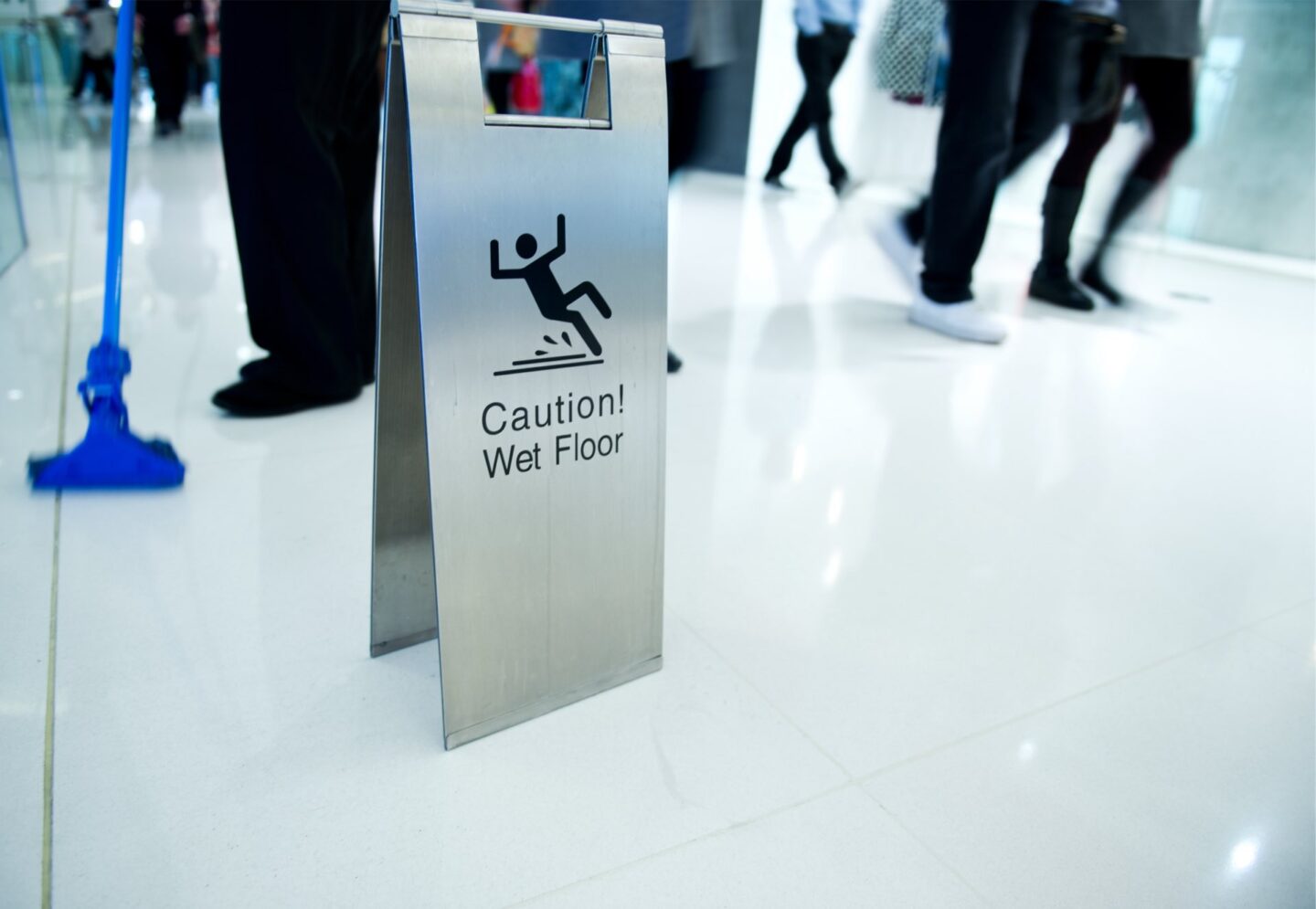
Retail stores and grocery stores: wet floors, spilled liquids, recently mopped surfaces without adequate warning signs.
Restaurants and bars: slippery entryways, uneven flooring, poor lighting in stairwells.
Apartment buildings and rental properties: broken stairs, uneven pavement, poorly lit common areas, landlord negligence in maintaining safe conditions.
Parking lots and garages: cracked or uneven pavement, unmarked speed bumps, poor lighting.
Seattle sidewalks and public spaces: icy or snow-covered walkways, broken or raised pavement, trip and fall hazards.
Hotels and commercial buildings: wet lobby floors, defective escalators or elevators, inadequate handrails.
Private residences: uneven steps, loose rugs, broken railings, wet surfaces around pools.
Construction zones open to the public: inadequate barriers, unmarked hazards, debris on walkways.
If your injury happened in any of these settings, or anywhere else on someone else’s property in Washington, it’s worth a conversation.
Proving negligence in a slip and fall case.
Proving a premises liability claim isn’t as simple as showing that you fell and got hurt. You have to establish that the property owner was negligent: that they knew or should have known about the hazard, that they failed to address it in a reasonable time, and that their failure directly caused your injury.
Property owners and their insurance companies fight these cases hard. One of their most common tactics is to argue that you were at least partly at fault: that you weren’t paying attention, that the hazard was obvious, or that you were somewhere you shouldn’t have been.
Here’s something important to know about Seattle premises liability law: even if you were partly at fault, you may still be entitled to compensation. Washington is a pure comparative negligence state, which means your damages are reduced by your percentage of fault, but you are not barred from making a claim. If a property owner was 70% responsible for your fall, you can still recover 70% of your damages.
What to do after a slip and fall accident in Washington.
What you do immediately after a slip and fall significantly affects your claim.
If you are able, take photos of the hazard before it gets cleaned up or fixed. Report the incident to the property manager or owner and ask for a written incident report. Get the names and contact information of any witnesses. Seek medical attention promptly, even if you feel okay, because symptoms from head and spinal injuries can take time to appear.
One thing worth knowing: surveillance footage is often the most powerful evidence in these cases, and many Seattle properties overwrite their recordings within days. An attorney can send a legal notice requiring the footage to be preserved. The sooner that happens, the better.
What you may be entitled to recover
Depending on your injuries and the circumstances, compensation in a Washington premises liability case may include medical expenses, current and future; lost wages and reduced earning capacity; pain and suffering; loss of ability to enjoy life; and in cases involving wrongful death, damages for surviving family members.
|
Statute of limitations callout Washington gives you three years from the date of injury to file a premises liability claim. Evidence disappears, witnesses move on, and surveillance footage gets overwritten. Time is a real factor here. |
Things you might be thinking
“I’m embarrassed. I feel like it was my fault for not watching where I was going.”
That’s one of the most common things people feel after a fall. But fault isn’t always black and white. If the property owner created or ignored a hazard, they share responsibility regardless of whether you were distracted. Let us look at the facts before you assume it wasn’t worth pursuing.
“It was a public place. Can I really hold them responsible?”
Yes. Businesses, landlords, and property owners have a legal duty to maintain safe conditions. That duty doesn’t disappear because the space is open to the public. In many cases it’s stronger.
“The store manager was nice about it. I don’t want to cause trouble.”
A friendly response at the scene is not the same as accepting responsibility. Behind that response is an insurance company whose job is to pay as little as possible. You deserve to know what your claim is actually worth before making any decisions.
“The property owner says they inspect regularly and the hazard must have just appeared.”
This is one of the most common defenses in premises liability cases, and it’s hard to fight without the right evidence. Surveillance footage, inspection logs, witness accounts, and the nature of the hazard itself all matter. A wet floor that’s been there long enough to dry at the edges tells a different story than one that appeared minutes before you fell. We know how to investigate these claims and what to look for. Don’t assume the property owner’s version of events is the end of the story.
“I’m not sure how badly I’m hurt yet. Should I wait?”
Don’t wait on the medical side. See a doctor now. On the legal side, the sooner we’re involved the better we can protect the evidence. You don’t need to have everything figured out to make the call.