
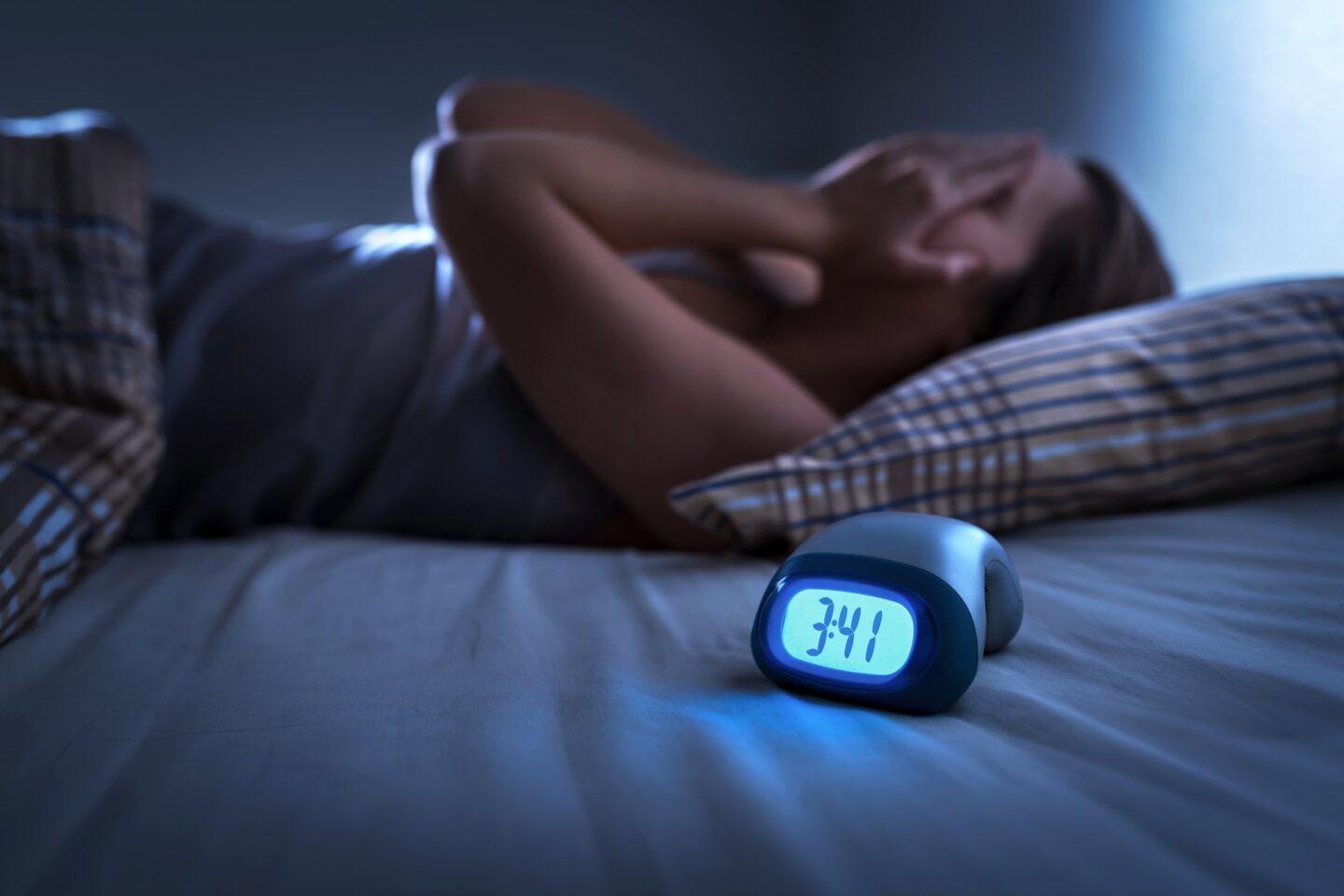
Before the Accident, You Slept Just Fine
You used to fall asleep without thinking about it.
Maybe not eight perfect hours a night, but enough to function. You had your rhythm — podcasts, books, white noise. You had the ability to turn off.
That changed after the accident.
Now, sleep feels like something you have to earn. Something you have to fight for. And even when you get it, it doesn’t feel like rest.
You start to dread bedtime. You stop believing you’ll wake up feeling better. And slowly, sleep becomes just another thing your injury has taken from you.
It’s Not Just the Pain — It’s the Pattern
Pain may be what wakes you up.
But it’s not the only thing keeping you awake.
There’s the tension in your shoulders from bracing all day.
The thoughts that come rushing in once the house gets quiet.
The dreams — or sometimes, the flashbacks — that leave you startled and sweaty.
And the persistent anxiety that maybe this is just how it’s going to be now.
You scroll your phone too late trying to distract yourself.
You toss and turn, testing every pillow arrangement you can think of.
You take sleep aids some nights, but you hate relying on them.
Other nights, you don’t take anything and just brace for the storm.
And through all of it, your body is stuck in go-mode — even while lying down.
The Next Day Doesn’t Care That You Didn’t Sleep
You still get up.
Still pack lunches. Still lead the meeting. Still show up.
But you’re running on fumes.
You forget appointments. You snap at your kids. You cancel plans. You stare at your inbox for too long, reading the same line over and over again. You cry in the car on the way home and don’t really know why.
Sleep deprivation isn’t just about being tired.
It’s about losing access to your full self.
It slows your recovery.
It weakens your focus.
It numbs your emotions — or amplifies them in ways you can’t predict.
And when no one is asking about it, you start to believe it’s not a real part of what you’re going through.
But it is.
This Belongs in Your Case
Sleep disruption is not minor.
It is not irrelevant.
It is not “just stress.”
It’s a valid and compensable part of your injury.
In Washington State, personal injury claims include two broad categories of damages:
- Special damages cover things like medical bills, lost wages, and out-of-pocket costs.
- General damages cover pain and suffering, emotional distress, and disruptions to your quality of life.
Sleep loss falls squarely under general damages.
Because it affects your healing. Your relationships. Your mental health. Your ability to show up the way you used to.
But here’s the catch: it only makes it into your claim if someone knows to ask.
Most Doctors Don’t Ask. Neither Do Adjusters.
If your records don’t show complaints about sleep, it’s easy for insurance companies to claim it’s not part of your injury.
But you weren’t trying to build a legal case when you said, “I’m fine” to your doctor.
You were trying to stay strong. Trying to stay focused.
Trying not to fall apart in the exam room.
You were in survival mode.
So if your medical record doesn’t tell the full story, it’s not your fault.
That’s our job — to fill in the gaps with your real experience.
What This Looks Like in Real Life
We’ve heard clients say:
- “I only sleep a few hours at a time. I wake up like I’ve been startled.”
- “It’s like my brain won’t turn off. I’m just spinning all night.”
- “I can’t get comfortable. It’s the pain, but it’s also the stress.”
- “I’m so tired, but I can’t relax. I feel wired, like I’m on edge all the time.”
- “I fall asleep at weird times because I’m not sleeping at night. It’s embarrassing.”
These are real stories. From real people.
And they matter.
We Ask What Others Don’t
At Scott & Scott, we understand that healing isn’t just physical.
So we take the time to ask:
- How has your sleep changed since the injury?
- What time do you go to bed — and when do you actually fall asleep?
- Do you wake up in pain? Or with your heart racing?
- What do your mornings feel like now?
- Has this affected your partner or family?
Because sleep is often where the emotional toll of an injury shows up first — and longest.
It’s where the stress hides.
It’s where the fear lives.
It’s where your body tells the truth that your face tries to hide.
This Isn’t Just Exhaustion. It’s Evidence.
If you haven’t been sleeping since the accident, it’s not a coincidence.
It’s not a character flaw.
It’s a consequence of what you’ve been through.
And it deserves to be taken seriously — not brushed aside.
Pain and suffering aren’t always loud.
Sometimes, they’re quiet. They live in the 2:00 a.m. hours. In the silence between sighs. In the exhaustion that no amount of coffee can cure.
We see that kind of suffering.
And we make sure it’s heard.
Schedule a Free Consultation
If sleep has become something you dread instead of something you rely on, we’re here.
Let’s talk about the part of your injury that no one else has asked about.
Because it’s real. It’s valid. And it belongs in your case.
View this post on Instagram